Gallery
 June 10. | Day 1.
  June 11. | Day 2.
  June 12. | Day 3.
 Welcome
Dear Colleagues,
It is our great pleasure to invite you to the joint scientific conference of the Hungarian Physiological Society (MÉT) and the Hungarian Society for Microcirculation and Vascular Biology (MMVBT), to be held between June 10-12, 2026 at the Semmelweis University – Basic Medical Science Center.
The conference aims to provide a forum for presenting the latest advances in physiology, microcirculation, and vascular research, while strengthening national and international scientific collaborations. The scientific program will focus on fundamental and applied aspects of these fields, while also offering perspectives on their clinical and translational relevance.
We are pleased to announce that the conference will feature distinguished keynote speakers: Christine R. Rose (Heinrich Heine University Düsseldorf), Csaba Szabó (University of Fribourg), and János Peti-Peterdi (University of Southern California). The program will also include joint sessions organized in collaboration with the Hungarian Society of Hypertension and the Hungarian Society of Nephrology. In addition to the scientific program, the conference will also address current issues and challenges in physiology education.
We consider the active involvement of early-career researchers and PhD students particularly important. The meeting offers an excellent opportunity to present new findings, receive professional feedback, and establish new collaborations. Dedicated presentation opportunities will be provided for early-career participants, and award-winning students from recent national Scientific Students’ Associations Conferences (TDK) will be invited to present their work. At the same time, we warmly welcome all colleagues interested in physiology and vascular research — from established experts to those newly engaging with the field.
The program will include plenary lectures, thematic sessions, and poster presentations, fostering scientific discussion and interdisciplinary exchange.
We look forward to welcoming you to Budapest in June 2026.
Dr. Attila Mócsai
chair
Dr. Eszter Mária Horváth
co-chair
Location
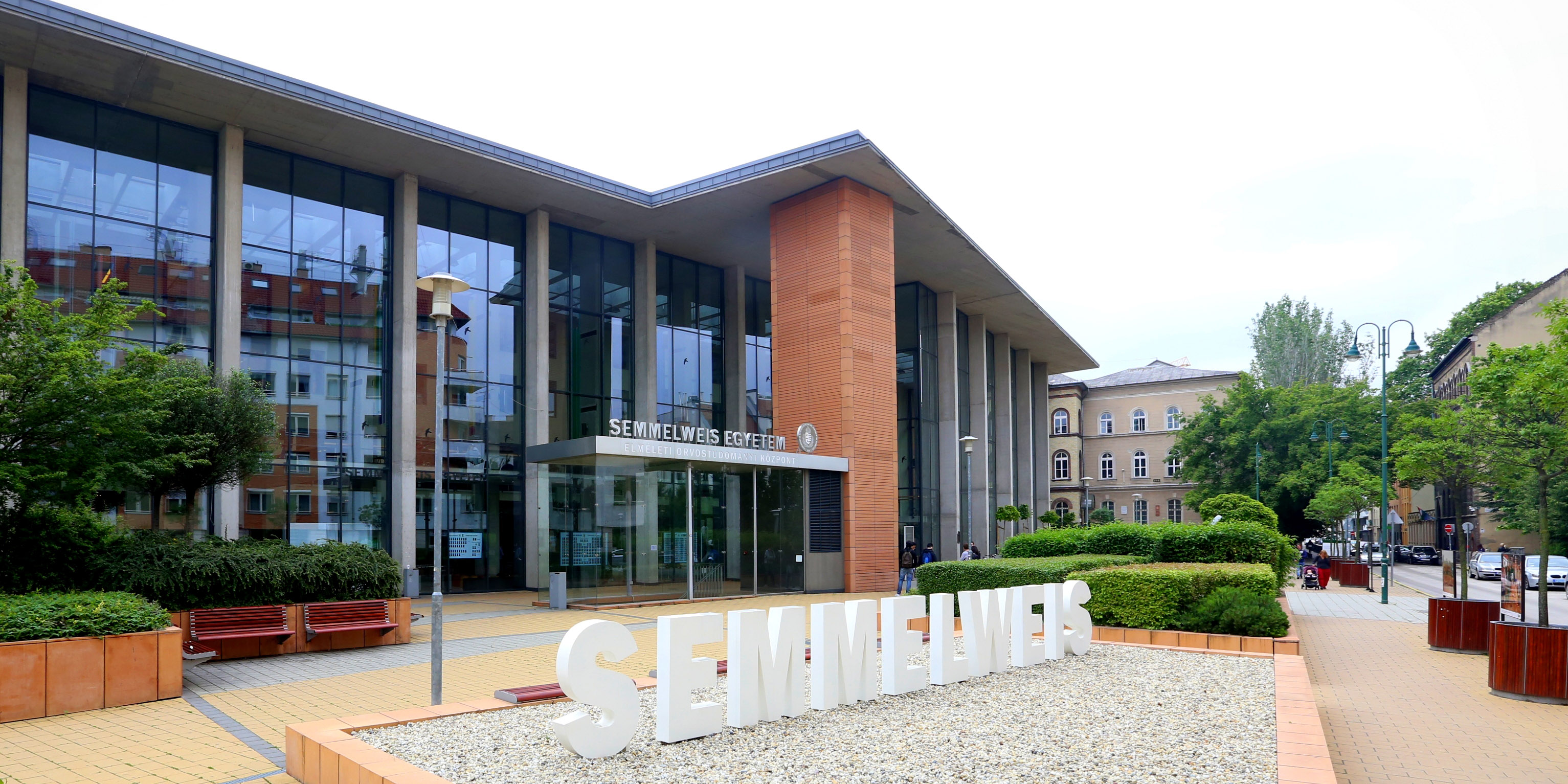
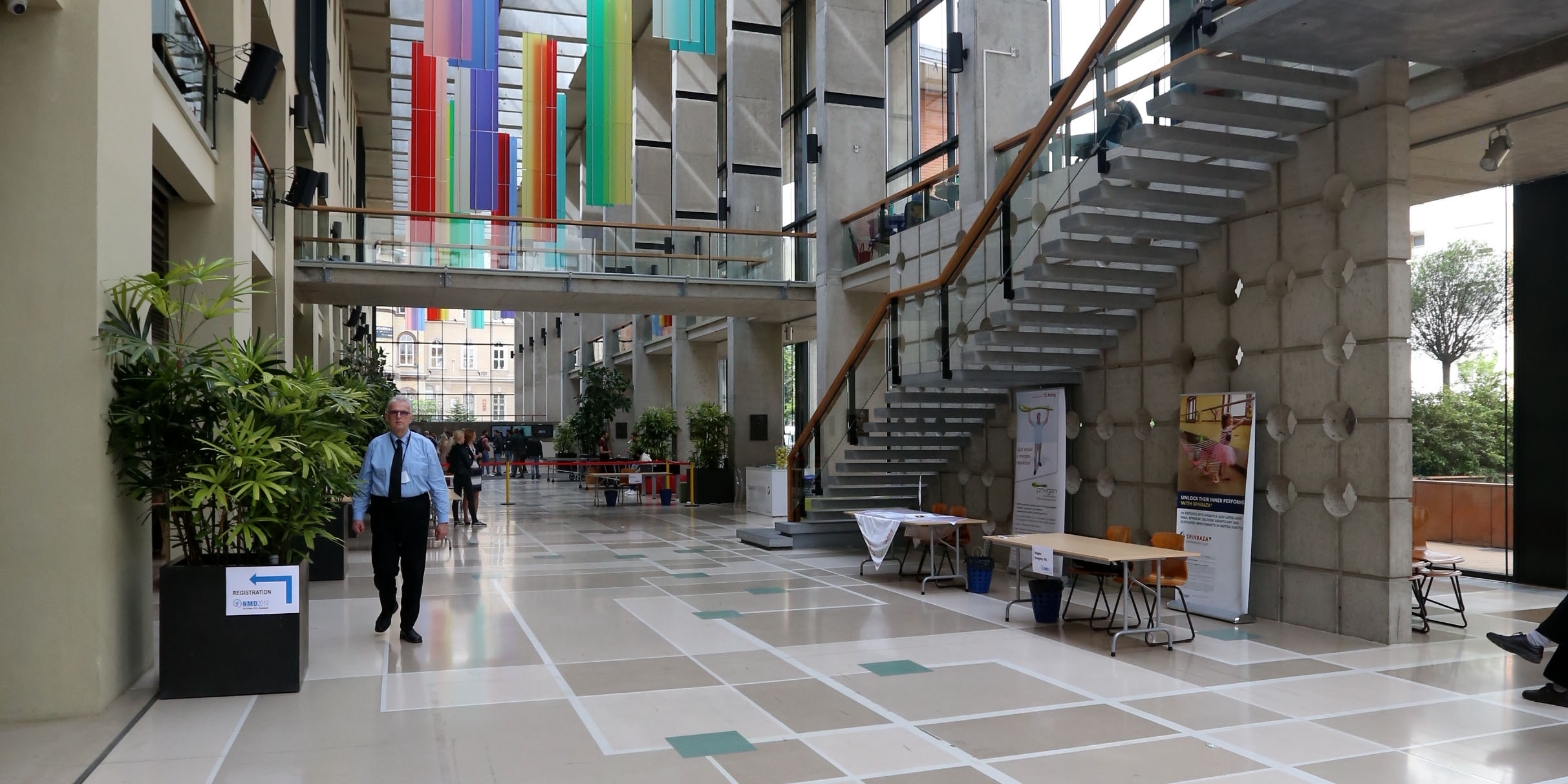
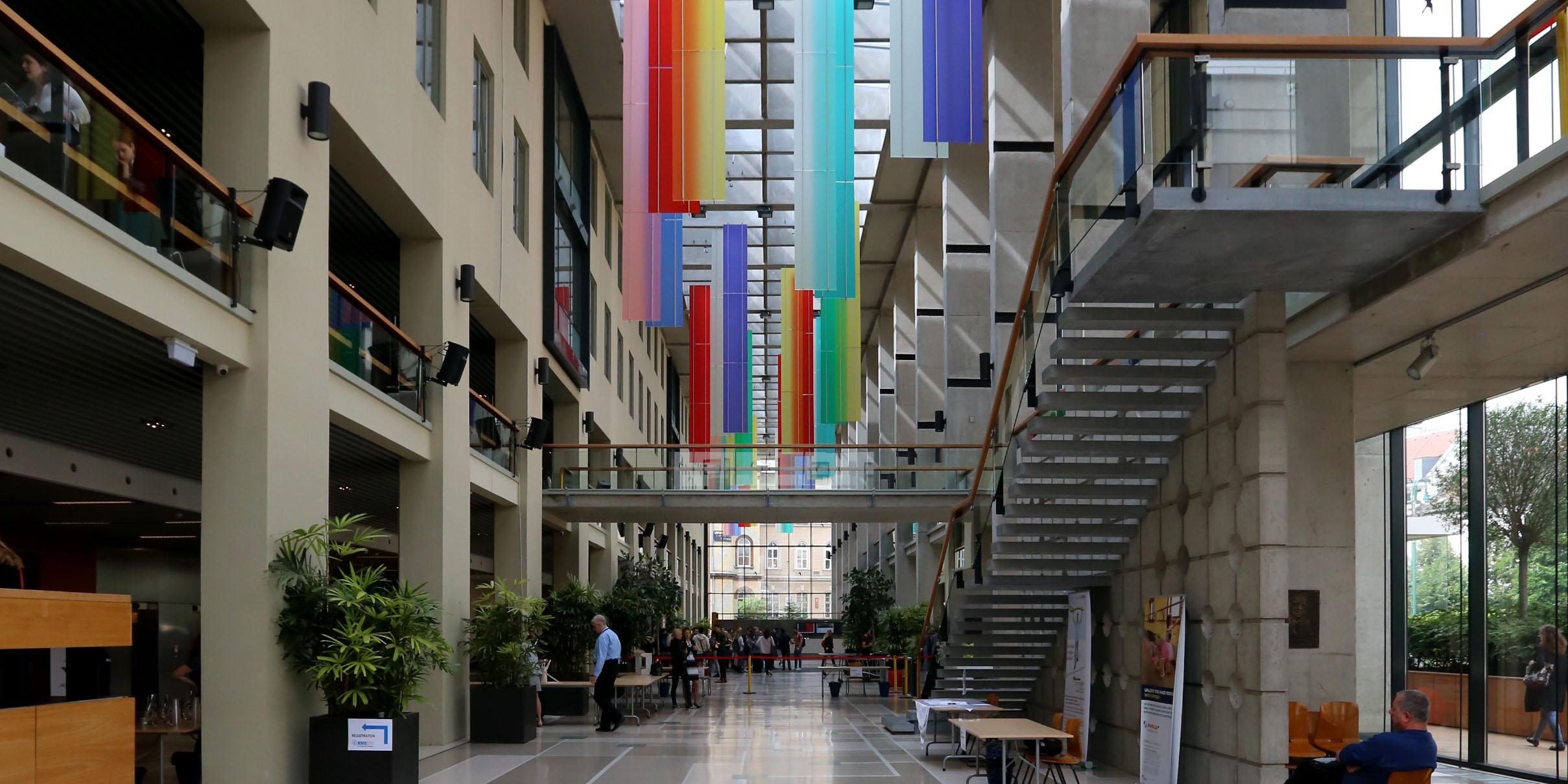
Venue and gallery
Semmelweis University
Basic Medical Science Center
Address: H-1094 Budapest,
Tűzoltó utca 37-47.
https://semmelweis.hu/eok/en/contact/map/
Lecture rooms:
Szent-Györgyi Albert lecture room
Lecture rooms:
Hevesy György lecture room
Scientific committees
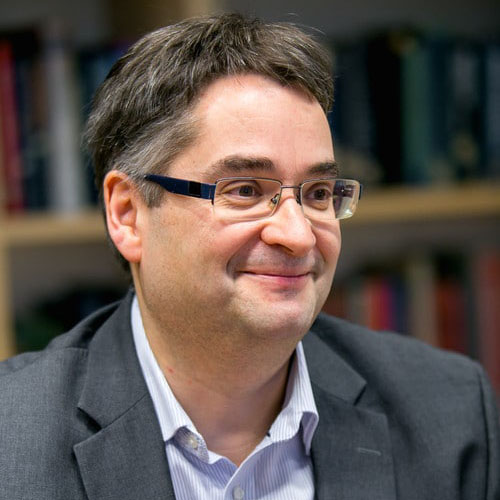
Dr. Attila Mócsai
Chairman
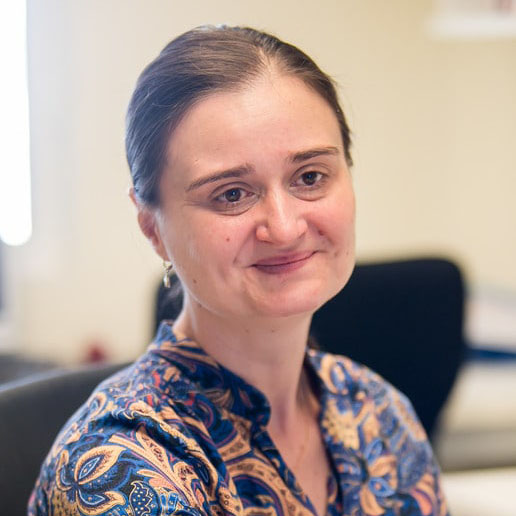
Dr. Eszter Mária Horváth
Co-Chair

Dr. Eszter Farkas
Representative of MMVBT
Local Organizing Committee
- Dr. András Balla
- Dr. Balázs Enyedi
- Dr. Éva Ruisanchez
Scientific committee members
- Dr. András Balla
- Dr. Márta Balaskó
- Dr. Ferenc Bari
- Dr. Zoltán Benyó
- Dr. László Csernoch
- Dr. Mária Dux
- Dr. Eszter Farkas
- Dr. István Hernádi
- Dr. László Hunyady
- Dr. Zoltán Jakus
- Dr. Krisztina Káldi
- Dr. Gabriella Kékesi
- Dr. Ákos Koller
- Dr. Zoltán Papp
- Dr. Erika Pintér
- Dr. Zoltán Rakonczay
- Dr. Éva Ruisanchez
- Dr. Norbert Szentandrássy
- Dr. Gábor Turu
- Dr. Dóra Zelena
- Dr. Ákos Zsembery
Keynote speakers
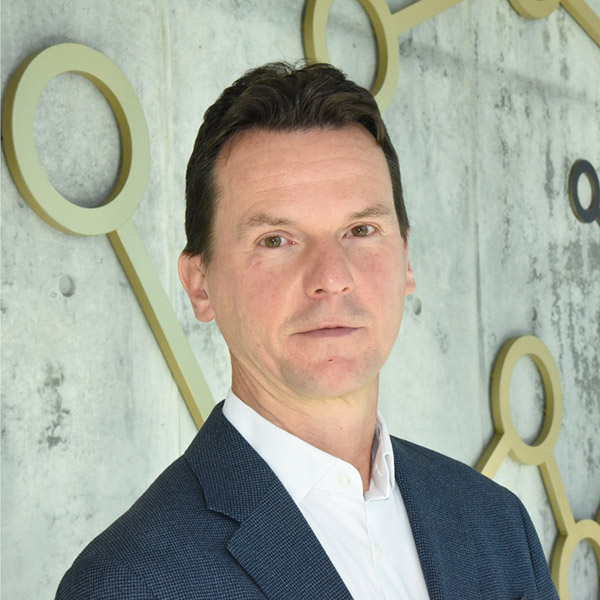
János Peti-Peterdi
Keynote speaker
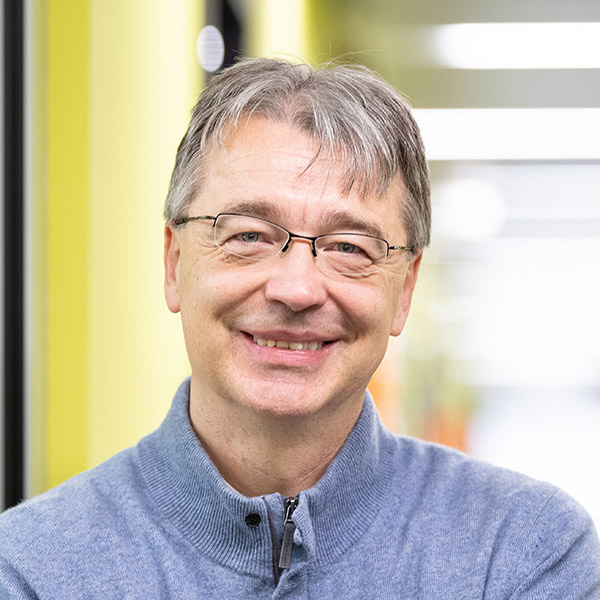
Csaba Szabó
Keynote speaker
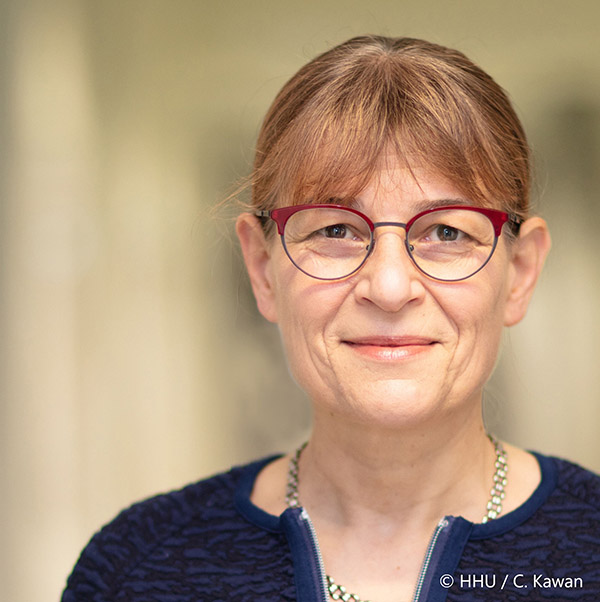
Christine R. Rose
Keynote speaker
Program
| Wednesday, June 10 | Thursday, June 11 | Friday, June 12 | ||||
|---|---|---|---|---|---|---|
| 8:00 | from 8:00 REGISTRATION | from 8:00 REGISTRATION | from 8:00 REGISTRATION | |||
| 8:30 | SESSION V. Circadian rhythms from research to clinical practice |
SESSION VI. Mechanisms of brain disorders: cellular, vascular and stress-responsive pathways |
SESSION XI. Translational cardiology |
SESSION XII. Trasnlational immunology |
||
| 9:00 | ||||||
| 9:30 | ||||||
| 10:00 | Hungarian Physiological Society Executive Board and Management Meeting |
Coffee break | Coffee break | |||
| 10:30 | Keynote lecture: Csaba SZABÓ | SESSION XIII. Microcirculation in neurological diseases: MMVBT |
SESSION XIV. Signaling pathways in physiological and pathophysiological regulation |
|||
| 11:00 | Opening ceremony | |||||
| 11:30 | Keynote lecture: János PETI-PETERDI | Poster session II. and sandwich lunch | ||||
| 12:00 | Technical break | |||||
| 12:30 | Poster session I. and sandwich lunch | Keynote lecture: Christine R. ROSE | ||||
| 13:00 | ||||||
| 13:30 | SESSION VII. Novel mechanisms of cerebral blood flow regulation: from molecules to humans |
SESSION VIII. Cardiac electrophysiology |
Closing remarks | |||
| 14:00 | ||||||
| 14:30 | SESSION I. Nephrology I.: Renal pathophysiology to potential treatments MANET-MÉT |
SESSION II. TDK (in Hungarian) |
||||
| 15:00 | Coffee break | |||||
| 15:30 | SESSION IX. Young Investigators |
SESSION X. Clinical Cardiovascular Physiology: MHT-MÉT MOTESZ Interdisciplinary Forum |
||||
| 16:00 | Coffee break | |||||
| 16:30 | SESSION III. Nephrology II.: Understanding rare kidney diseases MANET-MÉT |
SESSION IV. Revisiting physiology education |
||||
| 17:00 | Hungarian Microcirculation and Vascular Biology Society Executive Board Meeting |
|||||
| 17:30 | ||||||
| 18:00 | Hungarian Microcirculation and Vascular Biology Society General Assembly |
|||||
| 18:30 | Hungarian Physiological Society General Assembly |
|||||
| 19:00 | ||||||
| 19:30 | ||||||
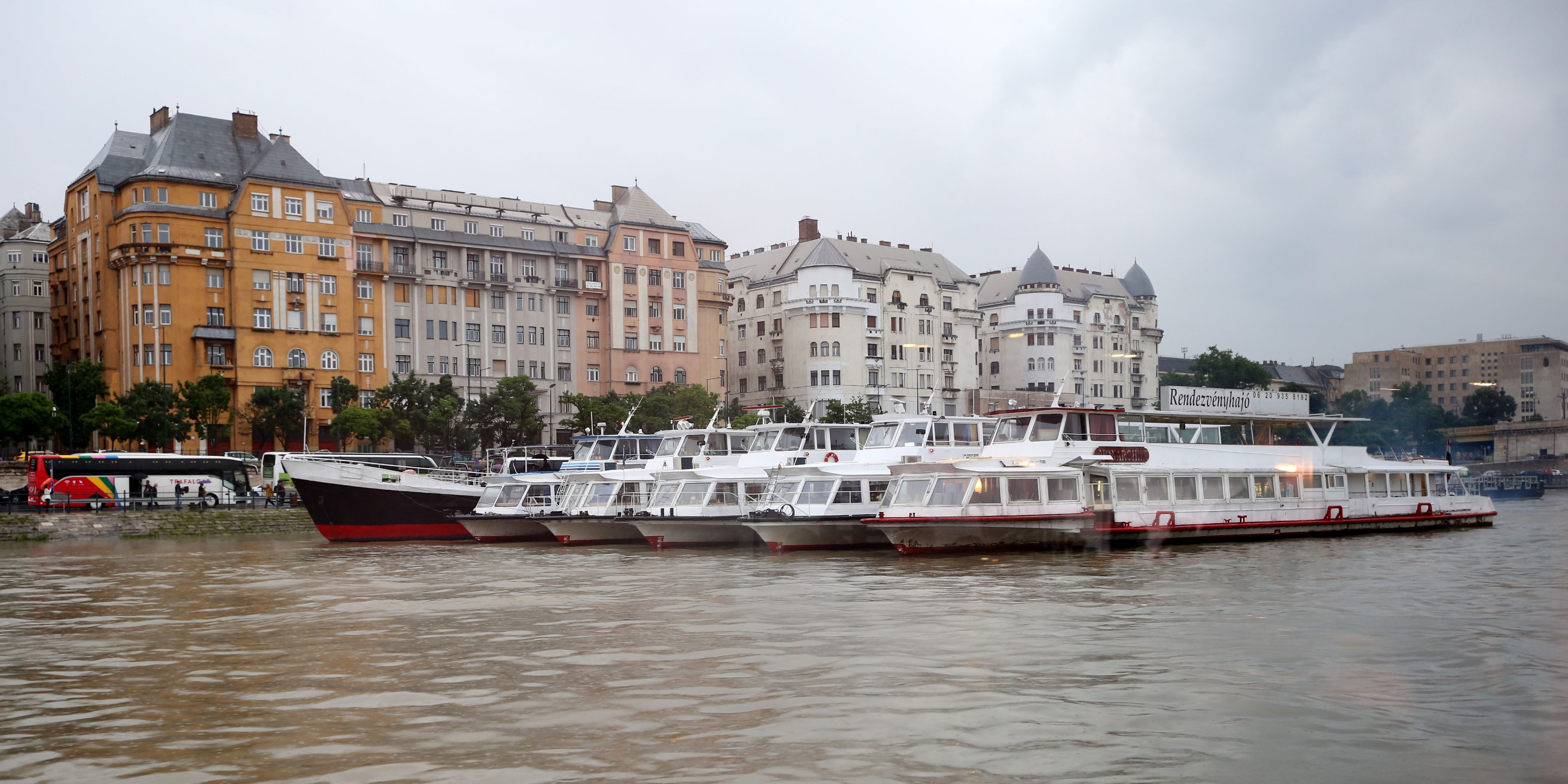
| 20:00 | Welcome reception | Conference dinner (with river cruise) |
||||
| 20:30 | ||||||
| 21:00 | ||||||
| 21:30 | ||||||
Instructions / Útmutató
Detailed program / Részletes program
Language of oral presentations: English (except Session II. TDK)
Wednesday, June 10
| Time | Szent-Györgyi Albert Lecture Hall |
Hevesy György Lecture Hall |
||||||||||||||||||||||||||||||||||||||||||||||||||||||||||||||||||||||||||||||
|---|---|---|---|---|---|---|---|---|---|---|---|---|---|---|---|---|---|---|---|---|---|---|---|---|---|---|---|---|---|---|---|---|---|---|---|---|---|---|---|---|---|---|---|---|---|---|---|---|---|---|---|---|---|---|---|---|---|---|---|---|---|---|---|---|---|---|---|---|---|---|---|---|---|---|---|---|---|---|---|---|
| 10:00-11:00 | Hungarian Physiological Society Executive Board and Management Meeting |
|||||||||||||||||||||||||||||||||||||||||||||||||||||||||||||||||||||||||||||||
| 11:00-11:30 | Opening ceremony | |||||||||||||||||||||||||||||||||||||||||||||||||||||||||||||||||||||||||||||||
| 11:30-12:30 | Keynote lecture: János PETI-PETERDI Neuronally differentiated macula densa cells control interoception, organ crosstalk, and physiological tissue regeneration |
|||||||||||||||||||||||||||||||||||||||||||||||||||||||||||||||||||||||||||||||
| 12:30-14:30 |
|
|||||||||||||||||||||||||||||||||||||||||||||||||||||||||||||||||||||||||||||||
| 14:30-16:00 |
|
|
||||||||||||||||||||||||||||||||||||||||||||||||||||||||||||||||||||||||||||||
| 16:00-16:30 | Coffee break | 16:30-18:00 |
|
|
||||||||||||||||||||||||||||||||||||||||||||||||||||||||||||||||||||||||||||
| 18:30-19:30 | Hungarian Physiological Society General Assembly |
|||||||||||||||||||||||||||||||||||||||||||||||||||||||||||||||||||||||||||||||
| 19:30-21:30 | Welcome reception (aula of the venue) |
|||||||||||||||||||||||||||||||||||||||||||||||||||||||||||||||||||||||||||||||
Thursday, June 11
| Time | Szent-Györgyi Albert Lecture Hall |
Hevesy György Lecture Hall |
||||||||||||||||||||||||||||||||||||||||||||||||||||||||||||||||||||||||||||||||||||||
|---|---|---|---|---|---|---|---|---|---|---|---|---|---|---|---|---|---|---|---|---|---|---|---|---|---|---|---|---|---|---|---|---|---|---|---|---|---|---|---|---|---|---|---|---|---|---|---|---|---|---|---|---|---|---|---|---|---|---|---|---|---|---|---|---|---|---|---|---|---|---|---|---|---|---|---|---|---|---|---|---|---|---|---|---|---|---|---|---|
| 08:30-10:00 |
|
|
||||||||||||||||||||||||||||||||||||||||||||||||||||||||||||||||||||||||||||||||||||||
| 10:00-10:30 | Coffee break | |||||||||||||||||||||||||||||||||||||||||||||||||||||||||||||||||||||||||||||||||||||||
| 10:30-11:30 | Keynote lecture: Csaba SZABÓ Mammalian generation of cyanide: mechanism, action, physiological and pathophysiological roles |
|||||||||||||||||||||||||||||||||||||||||||||||||||||||||||||||||||||||||||||||||||||||
| 11:30-13:30 |
|
|||||||||||||||||||||||||||||||||||||||||||||||||||||||||||||||||||||||||||||||||||||||
| 13:30-15:00 |
|
|
||||||||||||||||||||||||||||||||||||||||||||||||||||||||||||||||||||||||||||||||||||||
| 15:00-15:30 | Coffee break | 15:30-17:00 |
|
|
||||||||||||||||||||||||||||||||||||||||||||||||||||||||||||||||||||||||||||||||||||
| 17:00-18:00 | Hungarian Microcirculation and Vascular Biology Society
Executive Board Meeting |
|||||||||||||||||||||||||||||||||||||||||||||||||||||||||||||||||||||||||||||||||||||||
| 18:00-19:00 | Hungarian Microcirculation and Vascular Biology Society
General Assembly |
|||||||||||||||||||||||||||||||||||||||||||||||||||||||||||||||||||||||||||||||||||||||
| 20:00-22:30 | Conference dinner (with river cruise) | |||||||||||||||||||||||||||||||||||||||||||||||||||||||||||||||||||||||||||||||||||||||
Friday, June 12
| Time | Szent-Györgyi Albert Lecture Hall |
Hevesy György Lecture Hall |
||||||||||||||||||||||||||||
|---|---|---|---|---|---|---|---|---|---|---|---|---|---|---|---|---|---|---|---|---|---|---|---|---|---|---|---|---|---|---|
| 08:30-10:00 |
|
|
||||||||||||||||||||||||||||
| 10:00-10:30 | Coffee break | |||||||||||||||||||||||||||||
| 10:30-12:00 |
|
|
||||||||||||||||||||||||||||
| 12:30-13:30 | Keynote lecture: Christine R. ROSE Astrocytes: Master regulators of brain function and disease |
|||||||||||||||||||||||||||||
| 13:30-14:00 | Closing remarks | |||||||||||||||||||||||||||||
Abstract submission
Extended deadline of the abstract submission: May 11, 2026
We welcome the submission of abstracts of your latest research in one of our announced main themes isted below:
Main topics
- Vascular Physiology
- Clinical Cardiovascular Physiology
- Circadian Rhythms from Research to Clinical Practice
- Nephrology
- Neurodegeneration
- Microcirculation in Neurological Diseases
- Electrophysiology
- Immunology and Inflammatory Diseases
- Signal Transduction Processes
- Molecular Cell Biology
- Cell Physiology
- Function of Ion Channels and Other Transporters
- Physiology Education
- Application of Advanced Microscopy Systems
- Regulation of cerebral blood flow
- Cardiac electrophysiology
- Scientific Students’ Conference (TDK)
- Organ and tissue physiology
- Neuroendocrine and other regulations
- Biomedical data science
- Others
Extended deadline for abstract submission: AM 12:00 May 11, 2026
Abstracts should be prepared and submitted according to the instructions below:
- Language of the submitted abstract: English
- Title of Presentation
- Full name of author(s), (Please write the full name for all co-authors, do not use initials)
- Affiliation of author(s)
- In case of multiple authors / affiliations, please use index numbers in superscript
- The length of the summary (main text) is 250 words (excluding affiliations)
- MS Word file, Times New Roman font type, 12 pts font size, single line spacing required
- Text files should not contain headers or footers
- Please avoid abbreviations, if used, please elaborate it at the first time
- Abstract template
- There is an option to submit an encrypted abstract. In this case, the abstract should include only the title and the authors. In place of the main text, please write: “Encrypted”. Please submit the abstract in this format, and at the same time contact the Scientific Committee at horvath.eszter.maria@semmelweis.hu
Young researchers' competition
For the oral presentations computer projection will be provided.
Poster size: 90 x 120 cm (standing portrait A0)
Language of the printed poster: English.
Language of the poster presentation (English or Hungarian) can be chosen freely.
Sponsors and Exhibitors
Exhibitors / Kiállítóink






Regarding the details of your appearance and needs you can contact the Congress organizer office in e-mail: ildikokruppa@diamond-congress.hu
Sponsors kit signup formYoung Investigator Award Sponsors / Ifjúsági Díj Szponzorok





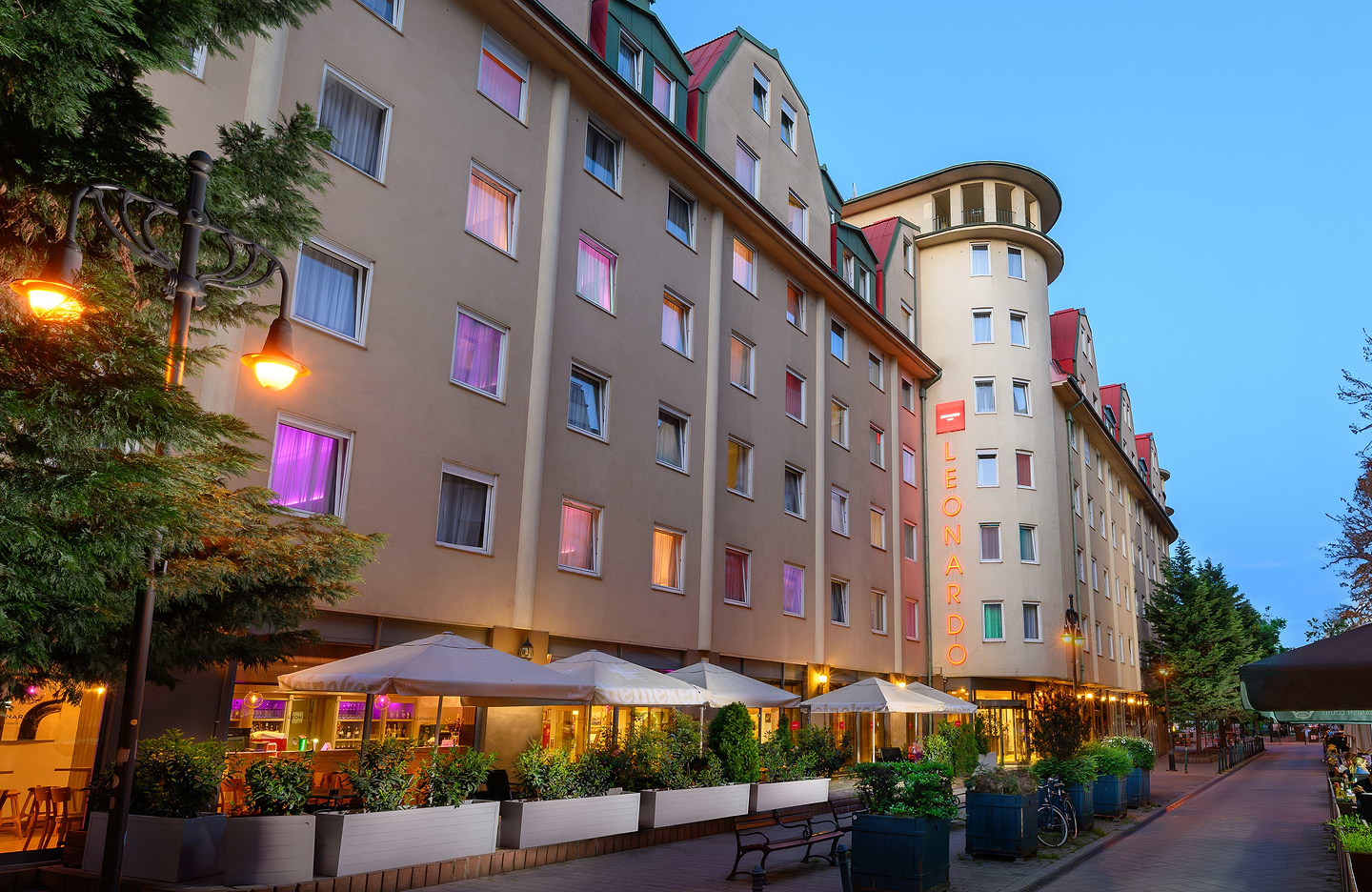
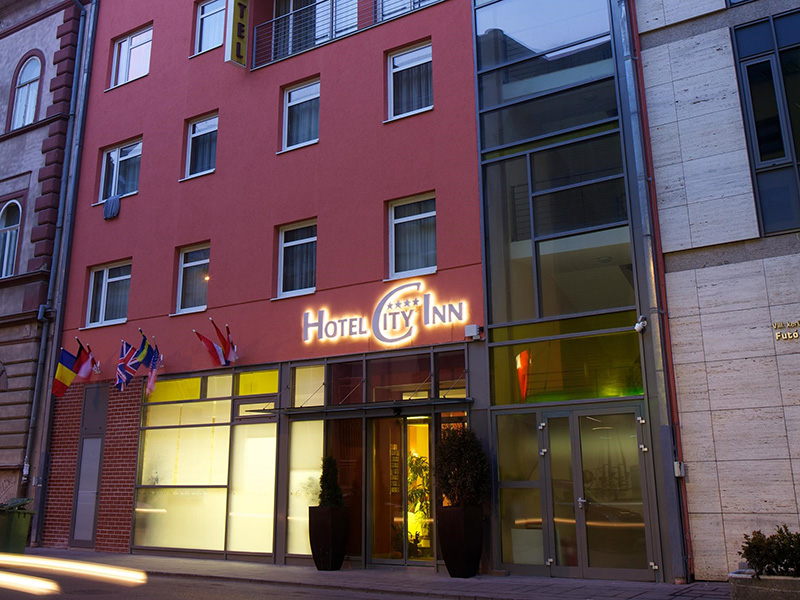
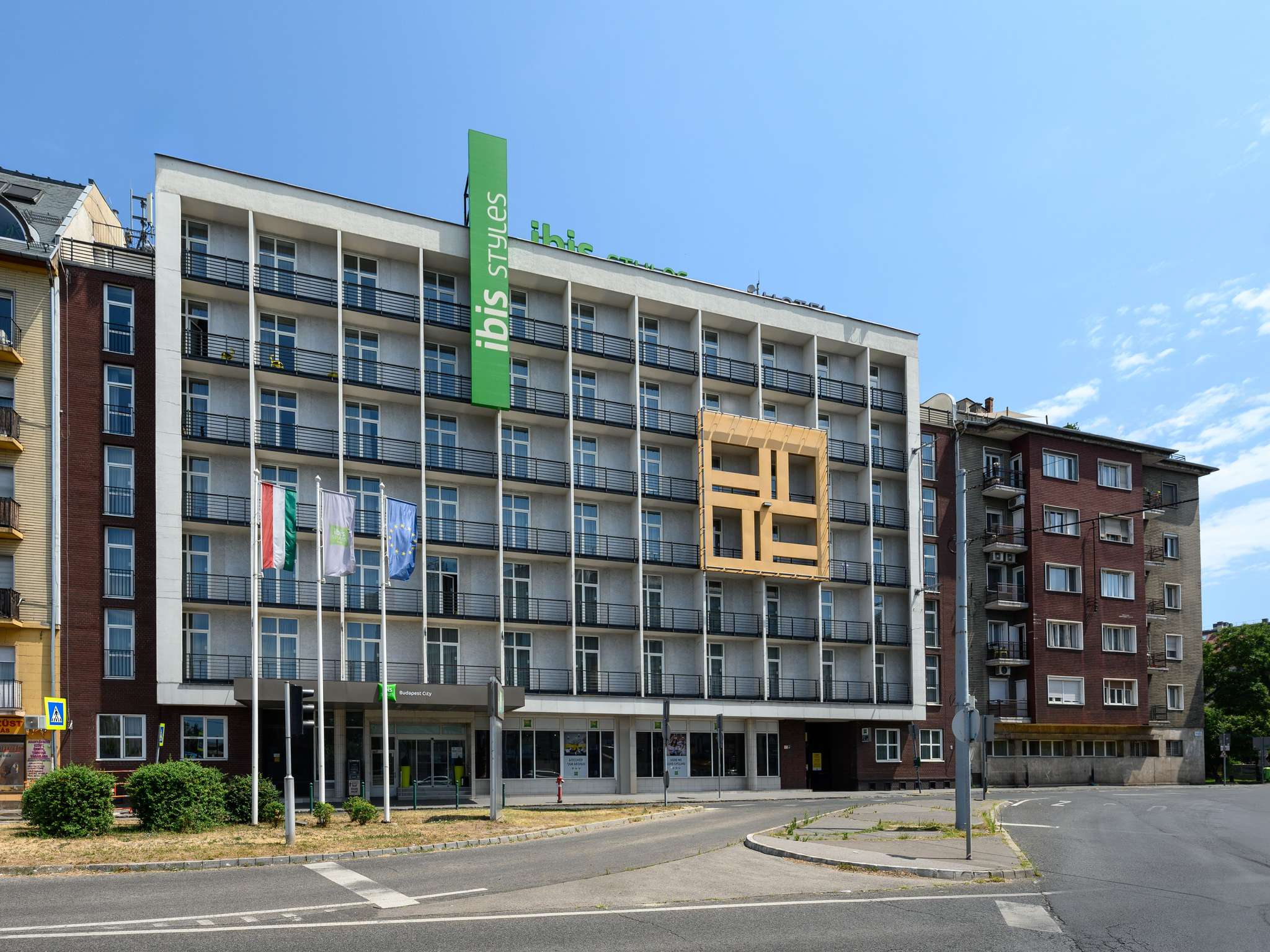
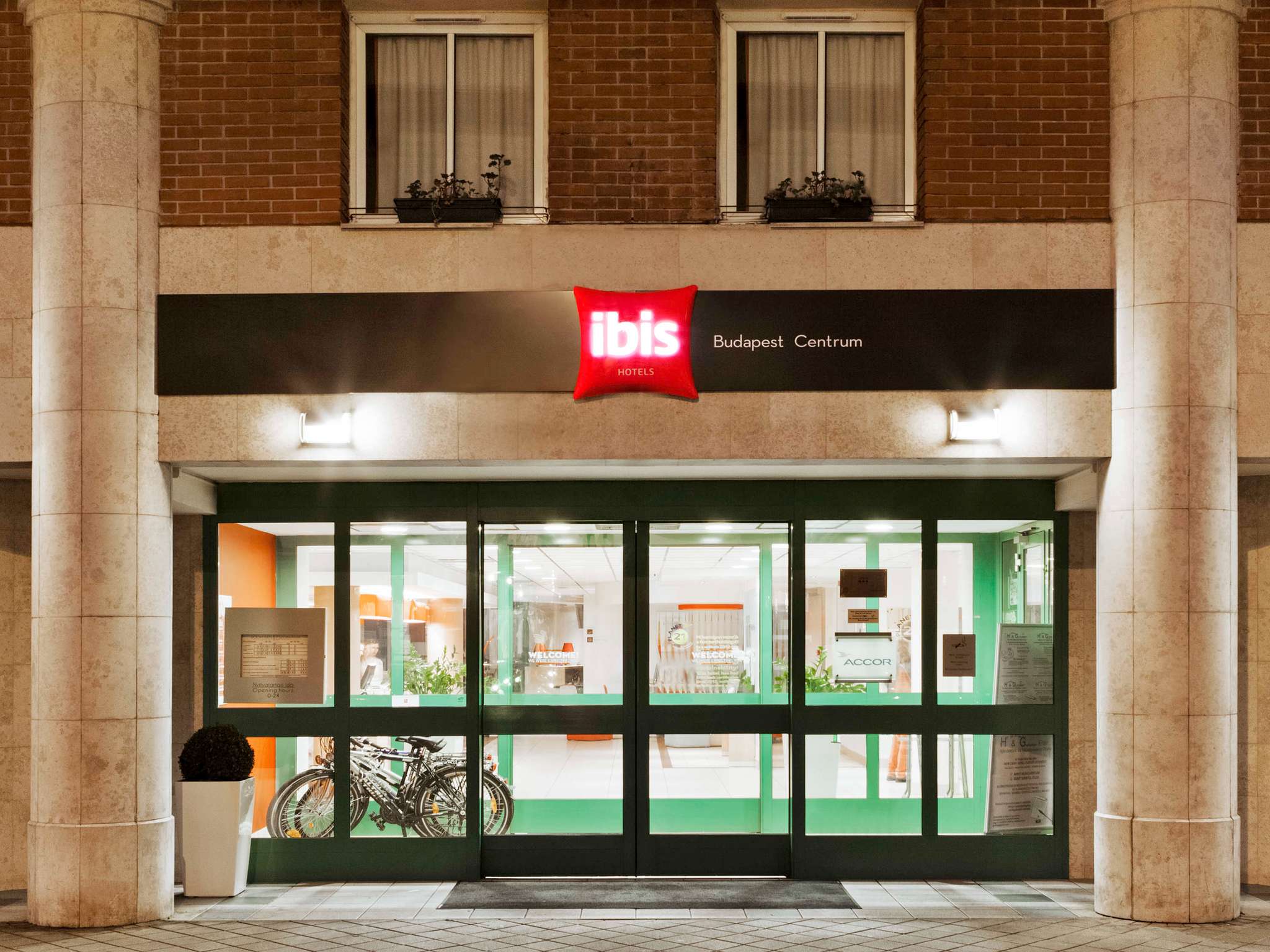
Hotels
Some hotels near the conference venue

Registration
Pre-registration is available in the conference’s official online database. Please register as soon as possible so that we can keep you informed about our latest news. We kindly ask you to use the online registration system below.
May 1, 2026. | Deadline for payment of the discounted registration fee.
Member registration fee
80.000 Ft
(early basic)
108.000 Ft (early full*)
90.000 Ft (late basic)
118.000 Ft (late full*)
- Access to the scientific sessions
- Coffee breaks, lunches
- Conference materials
- Electronic abstract book
- Electronic certificate of attendance
- Welcome reception
- VAT
* - Conference Dinner (June 11, 2026) is included in this package (full)
Non-member registration fee
90.000 Ft
(early basic)
118.000 Ft (early full*)
100.000 Ft (late basic)
128.000 Ft (late full*)
- Access to the scientific sessions
- Coffee breaks, lunches
- Conference materials
- Electronic abstract book
- Electronic certificate of attendance
- Welcome reception
- VAT
* - Conference Dinner (June 11, 2026) is included in this package (full)
TDK, PhD, retired registration fee
70.000 Ft
(early basic)
98.000 Ft (early full*)
80.000 Ft (late basic)
108.000 Ft (late full*)
- Access to the scientific sessions
- Coffee breaks, lunches
- Conference materials
- Electronic abstract book
- Electronic certificate of attendance
- Welcome reception
- VAT
* - Conference Dinner (June 11, 2026) is included in this package (full)
Additional exhibitor registration fee
80.000 Ft
(basic)
108.000 Ft (full*)
- Coffee breaks, lunches
- Conference materials
- Electronic abstract book
- Electronic certificate of attendance
- Welcome reception
- VAT
The exhibitor application is valid only if submitted together with a valid exhibitor application form.
* - Conference Dinner (June 11, 2026) is included in this package (full)
Terms and conditions of participation
Advanced online registration is a condition of participation in the conference. During the online registration you should accept the terms and conditions of participation as well as the terms of cancellation written on this website. The registration fee includes entertainment allowances, such as catering services, reception, dinner etc. In the final invoice the amount of these services will be indicated as intermediary service. See also the general terms and conditions.
Cancellation policy of registration
All the cancellations and changes must be sent to Diamond Congress Ltd. in written form.
Refund of the registration fee will be made as follows:
- 100% refund – in case of cancellation received before May 10, 2026
- No refund – in case of cancellation, received after May 10, 2026
Payment
All payments should be made in HUF. All charges due to bank transfers have to be paid by the sender. We advise you to bring the proof of payment with you when registering for the event in Budapest.
Bank transfer has to be made to
Bankszámlaszám:
Diamond Congress Kft. – MET2026
Bank: Raiffeisen Bank Zrt.
Acc.Number: 12010154-00175156-00100004
RÉSZVÉTELI FELTÉTELEK
A konferencián részt venni előzetes online regisztrációval lehetséges. Az online regisztráció alkalmával a résztvevők elfogadják az ezen a weboldalon meghirdetett jelentkezési és lemondási feltételeket, ezáltal írásos szerződés jön létre. A megrendelt szolgáltatásokról a Diamond Congress Kft. számlát állít ki.A regisztráció alkalmával kérjük, a számlázási adatokat pontosan megadni. A hatályos rendelkezések értelmében a számlának a vevő adószámát kötelező tartalmaznia, kérjük ennek megfelelően kiállítani a számlázási címet. Hivatalos számlát annak az intézetnek a nevére tudjuk kiállítani ahonnan a pénz beérkezett. Magánszemélytől érkező befizetés esetén a magánszemély nevére és címére kell a számlát kiállítani.
Amennyiben megrendelésszámot, PO számot, projektszámot vagy egyéb, a számlára egyedileg jellemző azonosítószámot kell feltüntetni a számlán, a szervezőknek ezt haladéktalanul jelezzék, mert számlakiállítás után a bizonylatokat módosítani nem áll módunkban.
A részvételi díjban szereplő étkezési költség illetve kulturális vagy társasági program (kávészünet, ebéd) minden esetben közvetített szolgáltatásként külön feltüntetésre kerül a számlán. Az SZJA tv 70§ (1) bekezdés alapján ez egyes meghatározott juttatásnak minősül a kifizetőnél, mely alapján ő köteles megfizetni az étkezést terhelő adókat (A számlán feltüntetett étkezési összeg: bruttó 63.500 Ft az alap regisztrációs díjak esetében, illetve bruttó 91.500 Ft a teljes regisztrációs díjak esetében). Ebben az esetben a kifizető szolgáltatást igénybe vevő cég/intézet. Ettől eltérni a törvényi szabályozás alapján nem lehet. Kérjük a pályázati pénzkeretekből részvételi díjat fizetőket, hogy előzetesen tájékozódjanak a pályázati kiírások feltételeiről, mert az étkezési költségek információja a számlán kötelező számlaelem ebben az esetben is.
FIZETÉSI- ÉS LEMONDÁSI FELTÉTELEK
A konferenciára történő regisztráció után Ön legenerálhatja a díjbekérő proforma számláját, melynek fizetése átutalással történik. A részvétel lemondását kizárólag e-mailen, tehát írásos formában tudjuk elfogadni. A részvétel lemondása 2026. május 10-ig lehetséges, 80%-os díjvisszatérítés mellett. 2026. május 10. után a lemondást 100 %-os kötbér terheli. A megrendelt nem-, vagy későn lemondott, és nem igénybe vett szolgáltatások kiszámlázásra kerülnek, mivel a szolgáltatásokat a szervezőknek meg kell rendelniük.
Bankszámlaszám:
Kedvezményezett: Diamond Congress Kft.
Bank neve: Raiffeisen Bank Zrt.
Számlaszám: 12010154-00175156-00100004