Meghívó
Kedves Kollégák!
Nagy örömmel hívjuk és várjuk Önöket a Magyar Élettani Társaság (MÉT) és a Magyar Mikrocirkulációs és Vaszkuláris Biológiai Társaság (MMVBT) közös tudományos konferenciájára, amely 2026. június 10–12. között kerül megrendezésre a Semmelweis Egyetem Elméleti Orvostudományi Központjában.
A konferencia célja, hogy fórumot biztosítson az élettani, mikrokeringési és vaszkuláris kutatások legfrissebb eredményeinek bemutatására, valamint erősítse a hazai és nemzetközi szakmai kapcsolatokat. A tudományos program középpontjában e területek alap- és alkalmazott kutatásai állnak, miközben kitekintést ad a klinikai és transzlációs vonatkozásokra is.
Örömmel jelentjük be, hogy a konferencia meghívott plenáris előadói között köszönthetjük Christine R. Rose-t (Heinrich Heine Egyetem, Düsseldorf), Szabó Csabát (Fribourgi Egyetem) és Peti-Peterdi Jánost (University of Southern California). A program részeként közös szekciók is megrendezésre kerülnek a Magyar Hypertonia Társaság és a Magyar Nephrológiai Társaság közreműködésével. A tudományos program mellett az élettan oktatás aktuális kérdései is külön figyelmet kapnak.
Különösen fontosnak tartjuk a fiatal kutatók és doktoranduszok aktív részvételét: számukra a konferencia lehetőséget kínál eredményeik bemutatására, szakmai visszajelzésre és új együttműködések kialakítására. A fiatal kutatók számára külön bemutatkozási lehetőséget biztosítunk, továbbá a közelmúlt Országos Tudományos Diákköri Konferenciáin (TDK) díjazott hallgatók is lehetőséget kapnak munkájuk ismertetésére. Ugyanakkor szeretettel várunk minden érdeklődő kollégát – a terület tapasztalt művelőit éppúgy, mint az élettan és vaszkuláris kutatások iránt nyitott új résztvevőket.
A program plenáris előadásokból, tematikus szekciókból és poszterbemutatókból áll, teret adva az élénk szakmai párbeszédnek és az interdiszciplináris kapcsolatok erősítésének.
Bízunk benne, hogy 2026 júniusában Budapesten üdvözölhetjük Önöket.
Dr. Mócsai Attila
a konferencia elnöke
Dr. Horváth Eszter Mária
a konferencia társ-elnöke
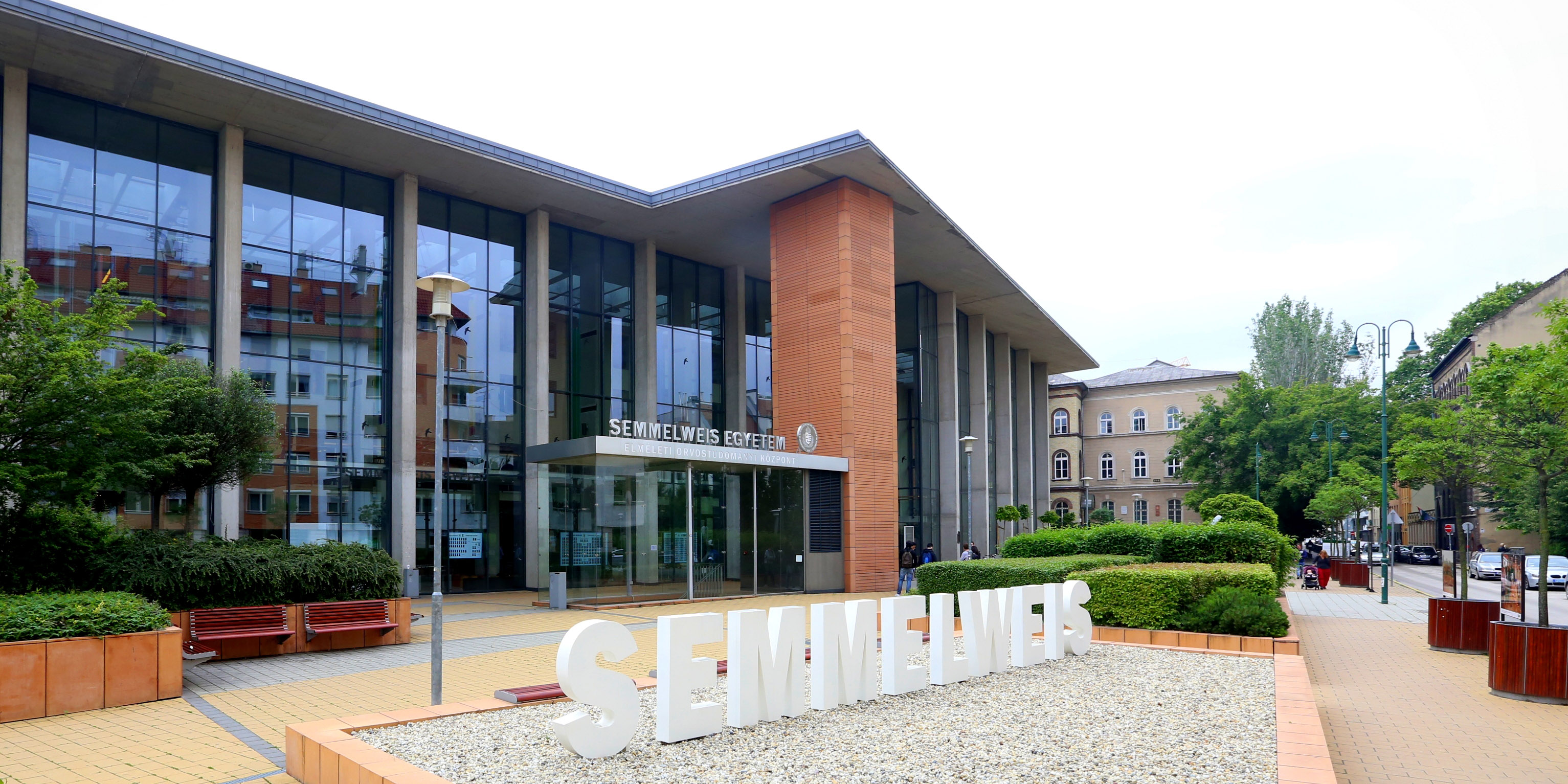
Helyszín
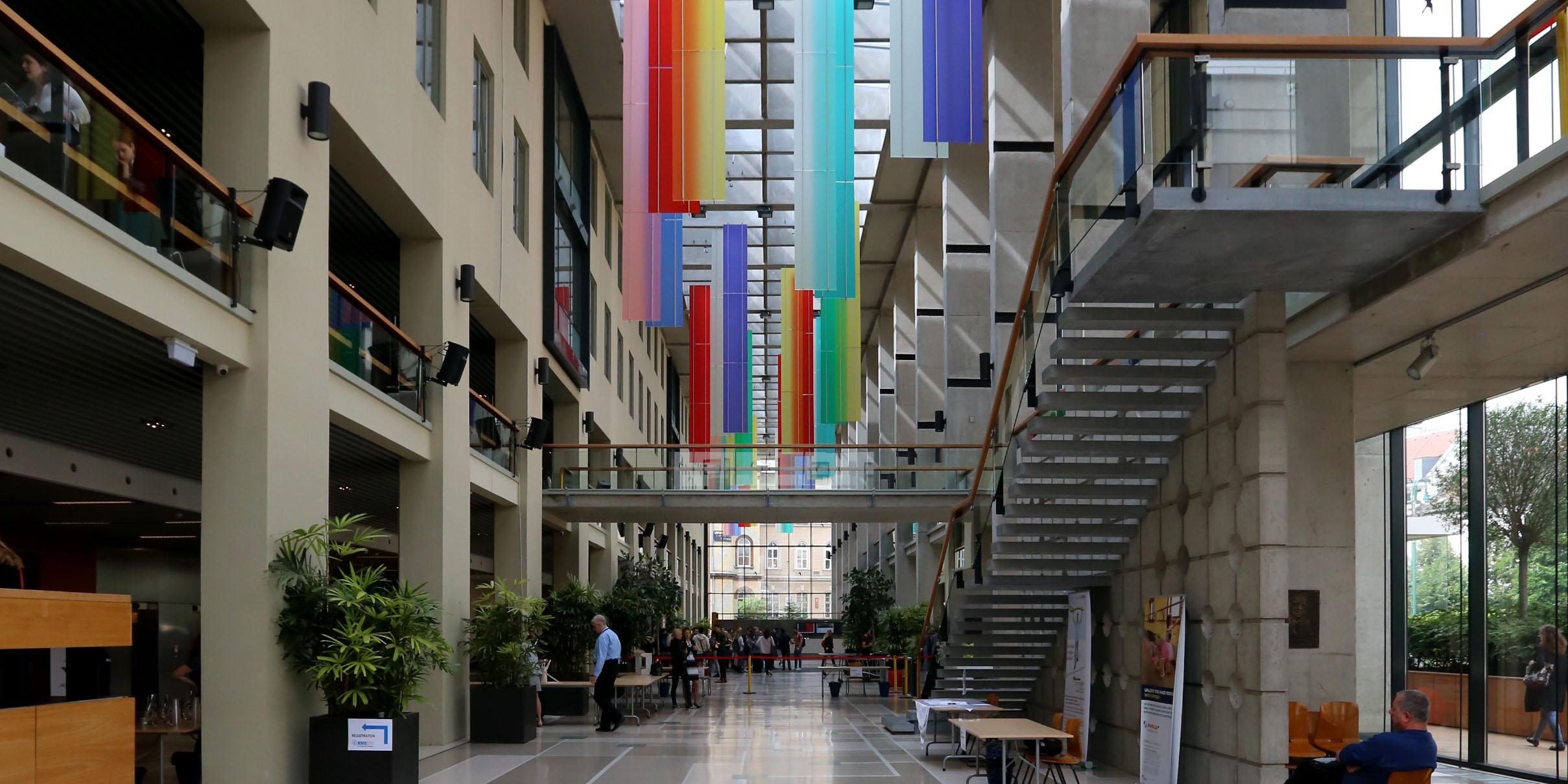
Helyszín és galéria
Semmelweis University
Basic Medical Science Center
Address: H-1094 Budapest,
Tűzoltó utca 37-47.
https://semmelweis.hu/eok/en/contact/map/
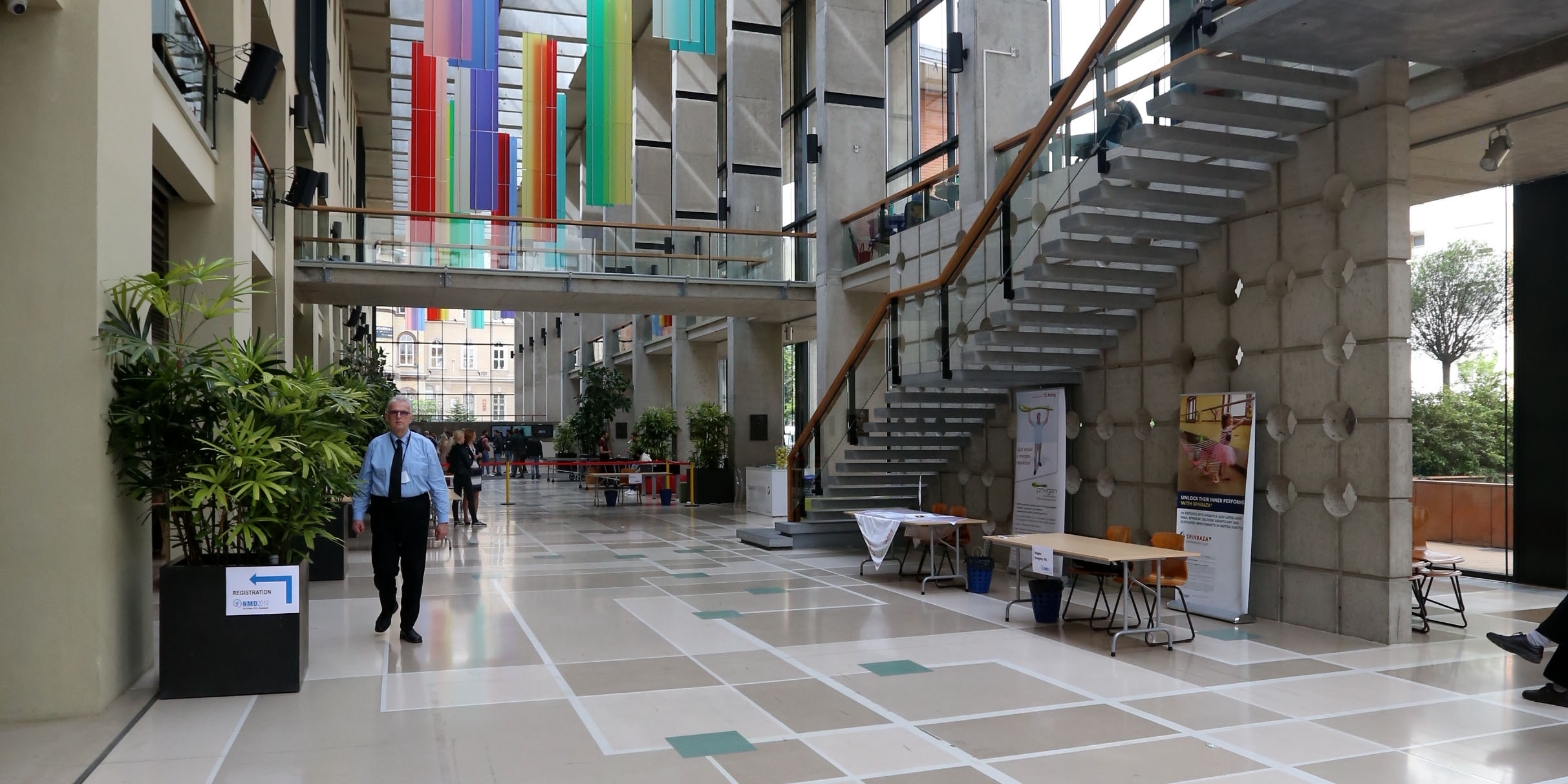
Lecture rooms:
Szent-Györgyi Albert lecture room
Lecture rooms:
Hevesy György lecture room
Tudományos bizottság
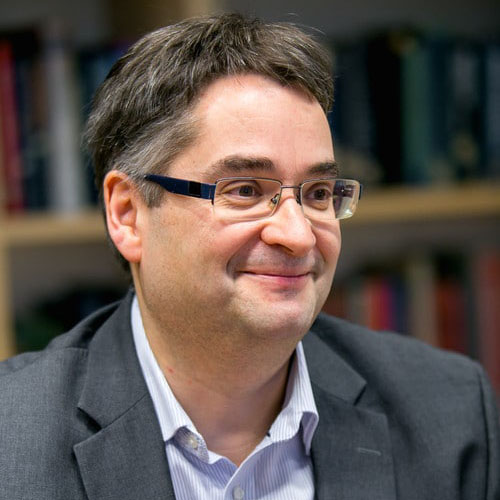
Dr. Mócsai Attila
a konferencia elnöke
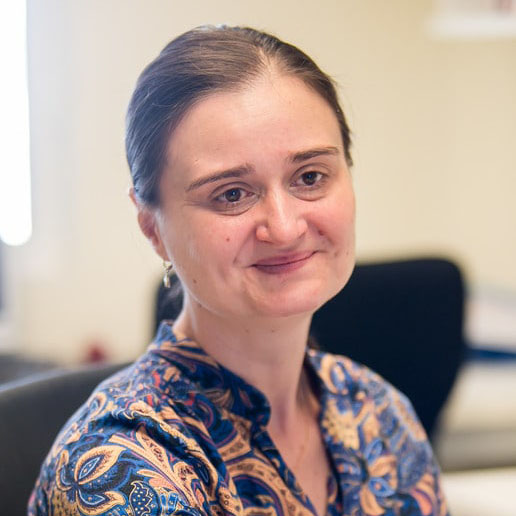
Dr. Horváth Eszter Mária
a konferencia társ-elnöke
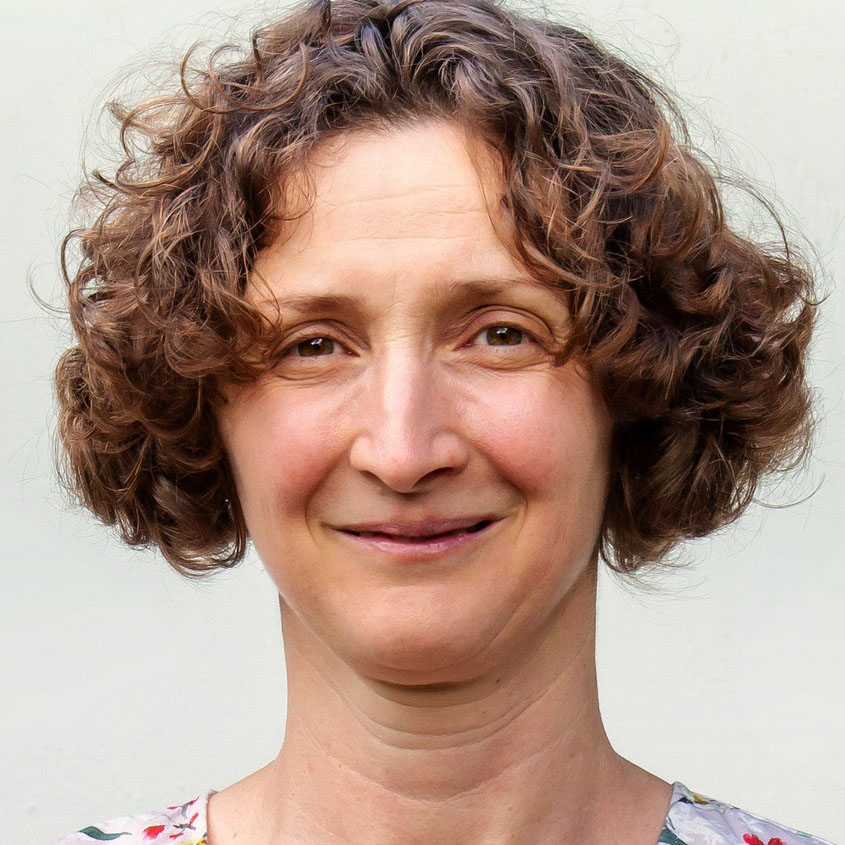
Dr. Farkas Eszter
MMVBT elnöke
Helyi Szervezőbizottság
- Dr. Balla András
- Dr. Enyedi Balázs
- Dr. Ruisanchez Éva
Tudományos bizottság tagjai
- Dr. Balla András
- Dr. Balaskó Márta
- Dr. Bari Ferenc
- Dr. Benyó Zoltán
- Dr. Csernoch László
- Dr. Dux Mária
- Dr. Farkas Eszter
- Dr. Hernádi István
- Dr. Hunyady László
- Dr. Jakus Zoltán
- Dr. Káldi Krisztina
- Dr. Kékesi Gabriella
- Dr. Koller Ákos
- Dr. Papp Zoltán
- Dr. Pintér Erika
- Dr. Rakonczay Zoltán
- Dr. Ruisanchez Éva
- Dr. Szentandrássy Norbert
- Dr. Turu Gábor
- Dr. Zelena Dóra
- Dr. Zsembery Ákos
Keynote előadóink
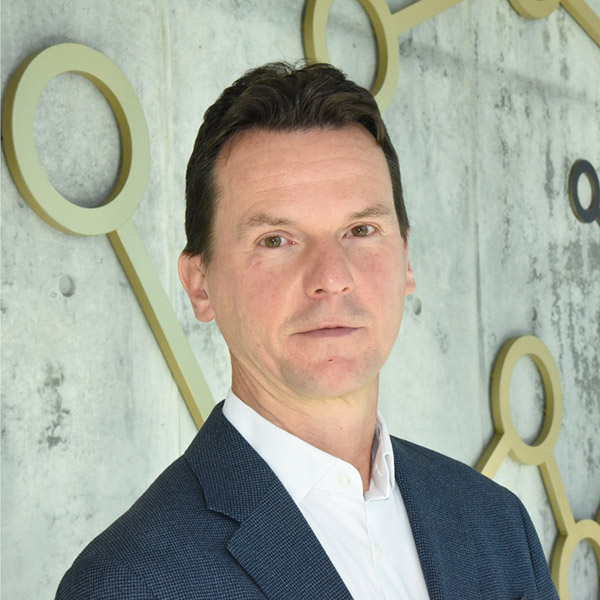
Peti-Peterdi János
Keynote előadó
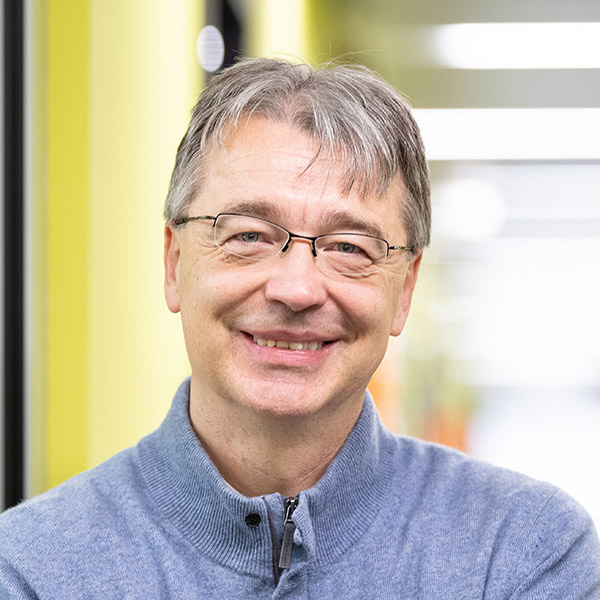
Szabó Csaba
Keynote előadó
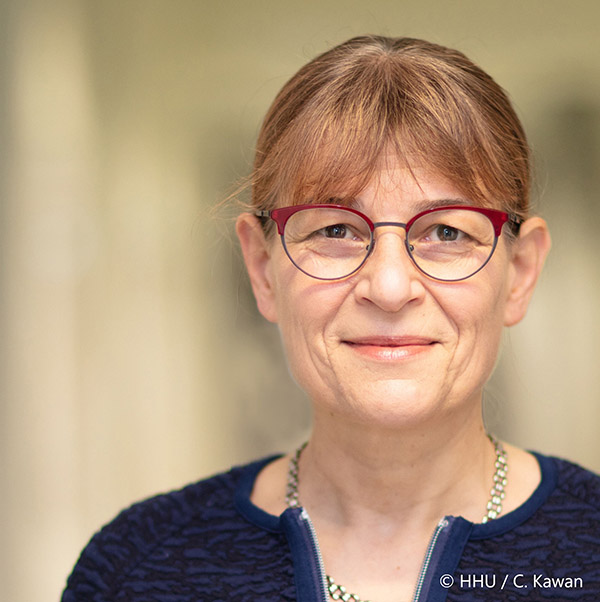
Christine R. Rose
Keynote előadó
Előzetes program
| Szerda, Június 10 | Csütörtök, Június 11 | Péntek, Június 12 | ||||
|---|---|---|---|---|---|---|
| 8:00 | 8:00-tól REGISZTRÁCIÓ | 8:00-tól Regisztráció nyitva | 8:00-tól Regisztráció nyitva | |||
| 8:30 | SZEKCIÓ V. Cirkadián ritmusok a kutatástól a klinikumig |
SZEKCIÓ VI. Agyi rendellenességek mechanizmusai: sejtes, érrendszeri és stresszre reagáló útvonalak |
SZEKCIÓ XI. Transzlációs kardiológia |
SZEKCIÓ XII. Transzlációs immunológia |
||
| 9:00 | ||||||
| 9:30 | ||||||
| 10:00 | MÉT elnökségi és vezetőségi gyűlés | Kávészünet | Kávészünet | |||
| 10:30 | Keynote előadás: SZABÓ Csaba | SZEKCIÓ XIII. Mikrokeringés neurológiai betegségekben: MMVBT |
SZEKCIÓ XIV. Jelátviteli folyamatok élettani és kórélettani folyamatokban |
|||
| 11:00 | Konferencia megnyitó | |||||
| 11:30 | Keynote előadó: PETI-PETERDI János | Poszterszekció II. és szendvicsebéd | ||||
| 12:00 | Technikai szünet | |||||
| 12:30 | Poszterszekció I. és szendvicsebéd | Keynote előadás: Christine R. ROSE | ||||
| 13:00 | ||||||
| 13:30 | SZEKCIÓ VII. Az agyi véráramlás szabályozásának új mechanizmusai: a molekuláktól az emberig |
SZEKCIÓ VIII. Szív elektrofiziológia |
Konferencia zárása, díjkiosztó | |||
| 14:00 | ||||||
| 14:30 | SZEKCIÓ I. Nefrológia I.: A vese kórélettanától a lehetséges kezelésekig MANET-MÉT |
SZEKCIÓ II. TDK TDK (magyar nyelven) |
||||
| 15:00 | Kávészünet | |||||
| 15:30 | SZEKCIÓ IX. Ifjúsági szekció |
SZEKCIÓ X. Klinikai kardiovaszkuláris fiziológia: MHT-MÉT MOTESZ interdiszciplináris fórum |
||||
| 16:00 | Kávészünet | |||||
| 16:30 | SZEKCIÓ III. Nefrológia II.: A ritka vesebetegségek megértése MANET-MÉT |
SZEKCIÓ IV. A fiziológia oktatásának újragondolása (magyar nyelven) |
||||
| 17:00 | MMVTB elnökségi és vezetőségi gyűlés | |||||
| 17:30 | ||||||
| 18:00 | MMVTB Közgyűlés | |||||
| 18:30 | MÉT Közgyűlés | |||||
| 19:00 | ||||||
| 19:30 | ||||||
| 20:00 | Nyitófogadás (SE-EOK) | Konferencia hajós vacsora (opcionális) |
||||
| 20:30 | ||||||
| 21:00 | ||||||
| 21:30 | ||||||
Instructions / Útmutató
Detailed program / Részletes program
Language of oral presentations: English (except Session II. TDK)
Wednesday, June 10
| Time | Szent-Györgyi Albert Lecture Hall |
Hevesy György Lecture Hall |
||||||||||||||||||||||||||||||||||||||||||||||||||||||||||||||||||||||||||||||
|---|---|---|---|---|---|---|---|---|---|---|---|---|---|---|---|---|---|---|---|---|---|---|---|---|---|---|---|---|---|---|---|---|---|---|---|---|---|---|---|---|---|---|---|---|---|---|---|---|---|---|---|---|---|---|---|---|---|---|---|---|---|---|---|---|---|---|---|---|---|---|---|---|---|---|---|---|---|---|---|---|
| 10:00-11:00 | Hungarian Physiological Society Executive Board and Management Meeting |
|||||||||||||||||||||||||||||||||||||||||||||||||||||||||||||||||||||||||||||||
| 11:00-11:30 | Opening ceremony | |||||||||||||||||||||||||||||||||||||||||||||||||||||||||||||||||||||||||||||||
| 11:30-12:30 | Keynote lecture: János PETI-PETERDI Neuronally differentiated macula densa cells control interoception, organ crosstalk, and physiological tissue regeneration |
|||||||||||||||||||||||||||||||||||||||||||||||||||||||||||||||||||||||||||||||
| 12:30-14:30 |
|
|||||||||||||||||||||||||||||||||||||||||||||||||||||||||||||||||||||||||||||||
| 14:30-16:00 |
|
|
||||||||||||||||||||||||||||||||||||||||||||||||||||||||||||||||||||||||||||||
| 16:00-16:30 | Coffee break | 16:30-18:00 |
|
|
||||||||||||||||||||||||||||||||||||||||||||||||||||||||||||||||||||||||||||
| 18:30-19:30 | Hungarian Physiological Society General Assembly |
|||||||||||||||||||||||||||||||||||||||||||||||||||||||||||||||||||||||||||||||
| 19:30-21:30 | Welcome reception (aula of the venue) |
|||||||||||||||||||||||||||||||||||||||||||||||||||||||||||||||||||||||||||||||
Thursday, June 11
| Time | Szent-Györgyi Albert Lecture Hall |
Hevesy György Lecture Hall |
||||||||||||||||||||||||||||||||||||||||||||||||||||||||||||||||||||||||||||||||||||||
|---|---|---|---|---|---|---|---|---|---|---|---|---|---|---|---|---|---|---|---|---|---|---|---|---|---|---|---|---|---|---|---|---|---|---|---|---|---|---|---|---|---|---|---|---|---|---|---|---|---|---|---|---|---|---|---|---|---|---|---|---|---|---|---|---|---|---|---|---|---|---|---|---|---|---|---|---|---|---|---|---|---|---|---|---|---|---|---|---|
| 08:30-10:00 |
|
|
||||||||||||||||||||||||||||||||||||||||||||||||||||||||||||||||||||||||||||||||||||||
| 10:00-10:30 | Coffee break | |||||||||||||||||||||||||||||||||||||||||||||||||||||||||||||||||||||||||||||||||||||||
| 10:30-11:30 | Keynote lecture: Csaba SZABÓ Mammalian generation of cyanide: mechanism, action, physiological and pathophysiological roles |
|||||||||||||||||||||||||||||||||||||||||||||||||||||||||||||||||||||||||||||||||||||||
| 11:30-13:30 |
|
|||||||||||||||||||||||||||||||||||||||||||||||||||||||||||||||||||||||||||||||||||||||
| 13:30-15:00 |
|
|
||||||||||||||||||||||||||||||||||||||||||||||||||||||||||||||||||||||||||||||||||||||
| 15:00-15:30 | Coffee break | 15:30-17:00 |
|
|
||||||||||||||||||||||||||||||||||||||||||||||||||||||||||||||||||||||||||||||||||||
| 17:00-18:00 | Hungarian Microcirculation and Vascular Biology Society
Executive Board Meeting |
|||||||||||||||||||||||||||||||||||||||||||||||||||||||||||||||||||||||||||||||||||||||
| 18:00-19:00 | Hungarian Microcirculation and Vascular Biology Society
General Assembly |
|||||||||||||||||||||||||||||||||||||||||||||||||||||||||||||||||||||||||||||||||||||||
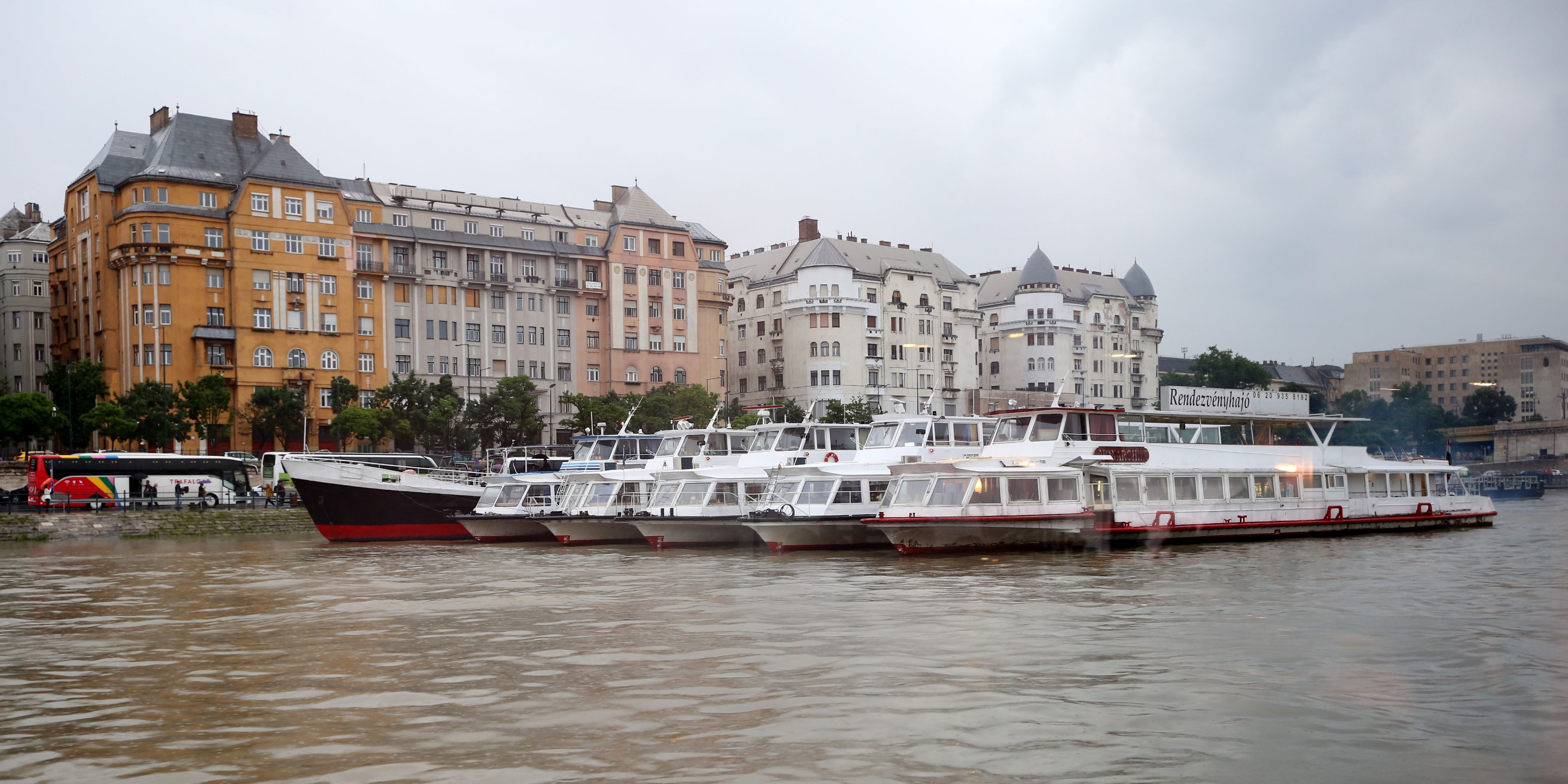
| 20:00-22:30 | Conference dinner (with river cruise) | |||||||||||||||||||||||||||||||||||||||||||||||||||||||||||||||||||||||||||||||||||||||
Friday, June 12
| Time | Szent-Györgyi Albert Lecture Hall |
Hevesy György Lecture Hall |
||||||||||||||||||||||||||||
|---|---|---|---|---|---|---|---|---|---|---|---|---|---|---|---|---|---|---|---|---|---|---|---|---|---|---|---|---|---|---|
| 08:30-10:00 |
|
|
||||||||||||||||||||||||||||
| 10:00-10:30 | Coffee break | |||||||||||||||||||||||||||||
| 10:30-12:00 |
|
|
||||||||||||||||||||||||||||
| 12:30-13:30 | Keynote lecture: Christine R. ROSE Astrocytes: Master regulators of brain function and disease |
|||||||||||||||||||||||||||||
| 13:30-14:00 | Closing remarks | |||||||||||||||||||||||||||||
Absztrakt benyújtás
Az absztrakt benyújtás határideje: 2026. május 11. 23:59
Szeretettel várjuk legfrissebb kutatási eredményeik absztraktjait az alábbi fő témakörök egyikében:
Fő témák
- Vaszkuláris élettan
- Klinikai kardiovaszkuláris fiziológia
- Cirkadián ritmusok a kutatástól a klinikai gyakorlatig
- Nefrológia
- Neurodegeneráció
- Mikrokeringés neurológiai betegségekben
- Elektrofiziológia
- Immunológia és gyulladásos betegségek
- Jelátviteli folyamatok
- Molekuláris sejtbiológia
- Sejtélettan
- Ioncsatornák és egyéb transzporterek működése
- Élettan oktatás
- Fejlett mikroszkópos rendszerek alkalmazása
- Agyi vérkeringés szabályozása
- Szív elektrofiziológiája
- Szerv- és szövetélettan
- Neuroendokrin és egyéb szabályozási mechanizmusok
- Biomedicinális adat tudomány
- TDK
- Egyéb
Az absztrakt benyújtás határideje: 2026. május 11. 23:59
Az absztraktokat az alábbi útmutató szerint kell elkészíteni és benyújtani:
- A benyújtott absztrakt nyelve: angol, az előadások nyelve: angol
- Az előadás címe
- A szerző(k) teljes neve (kérjük, minden társszerző teljes nevét írják ki, ne használjanak kezdőbetűket)
- A szerző(k) intézményi hovatartozása
- Több szerző / intézmény esetén kérjük, használjanak felső indexben sorszámokat
- Az összefoglaló terjedelme (szövegtörzs) 250 szó (affiliációk nélkül)
- MS Word fájl, Times New Roman betűtípus, 12 pontos betűméret, egyszeres sorköz
- A szöveg nem tartalmazhat fejlécet vagy láblécet
- Kérjük, kerüljék a rövidítéseket, ha mégis használják, első alkalommal írják ki teljesen
- Absztrakt sablon
- Lehetőség van titkosított absztrakt beadására. Ebben az esetben az absztrakt csak a címet és a szerzőket tartalmazza. A szövegtörzs helyére írható: Titkosított. Így történjen a feltöltés, és ezzel párhuzamosan vegyék fel a kapcsolatot a tudományos bizottsággal: Dr. Horváth Eszter Mária: horvath.eszter.maria@semmelweis.hu
Fiatal kutatók versenye
Az előadásokhoz számítógépes vetítést biztosítunk.
Poszter méret: 90 x 120 cm (álló A0 formátum)
A nyomtatott poszter nyelve angol.
A poszter prezentáció nyelve szabadon választható: angol vagy magyar.
Sponsors and Exhibitors
Exhibitors / Kiállítóink






Regarding the details of your appearance and needs you can contact the Congress organizer office in e-mail: ildikokruppa@diamond-congress.hu
Sponsors kit signup formYoung Investigator Award Sponsors / Ifjúsági Díj Szponzorok





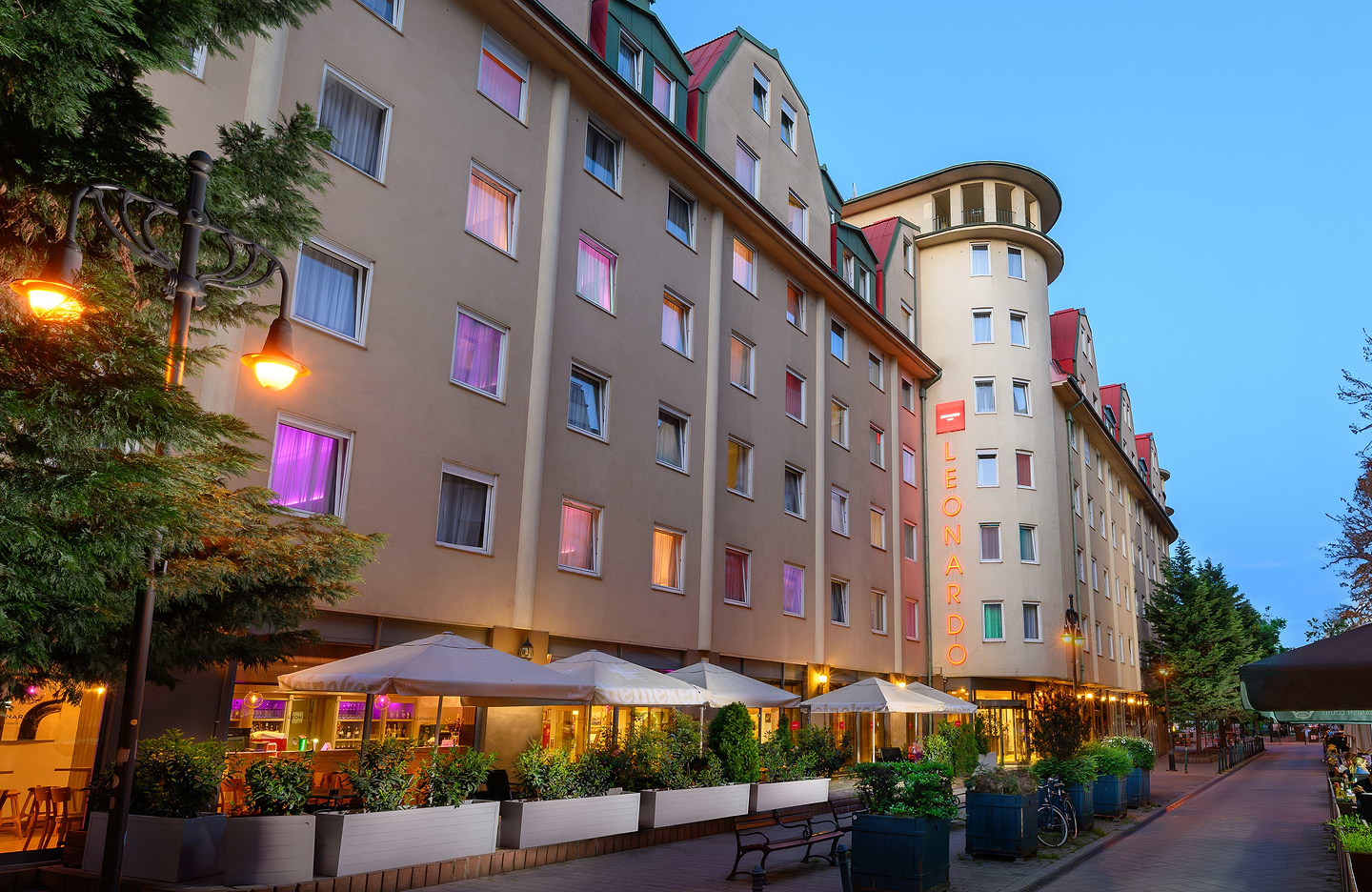
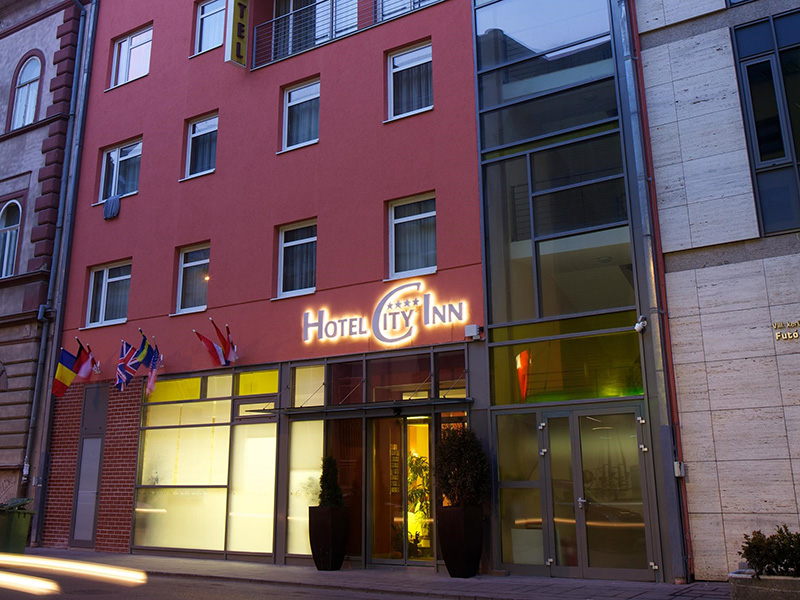
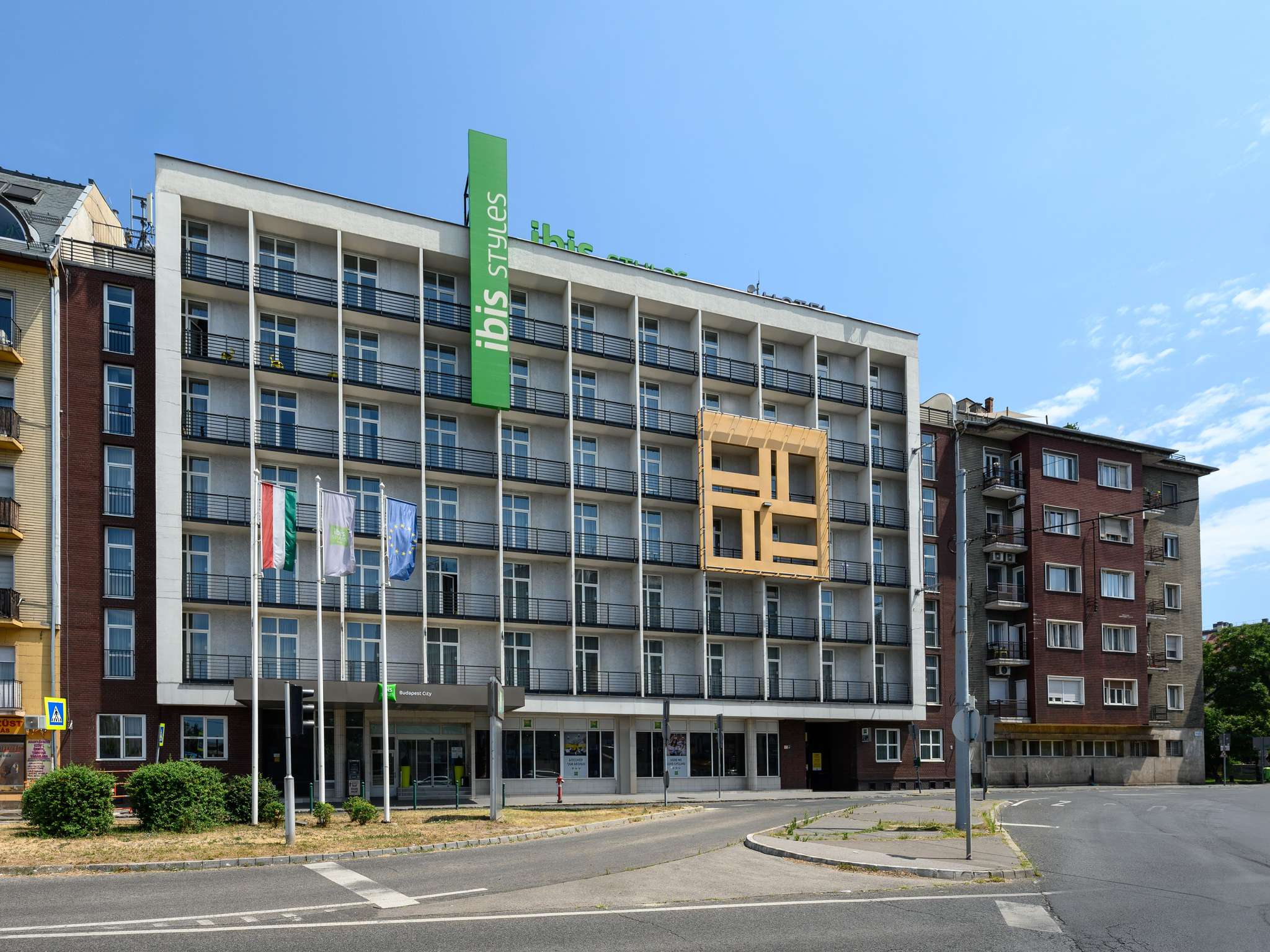
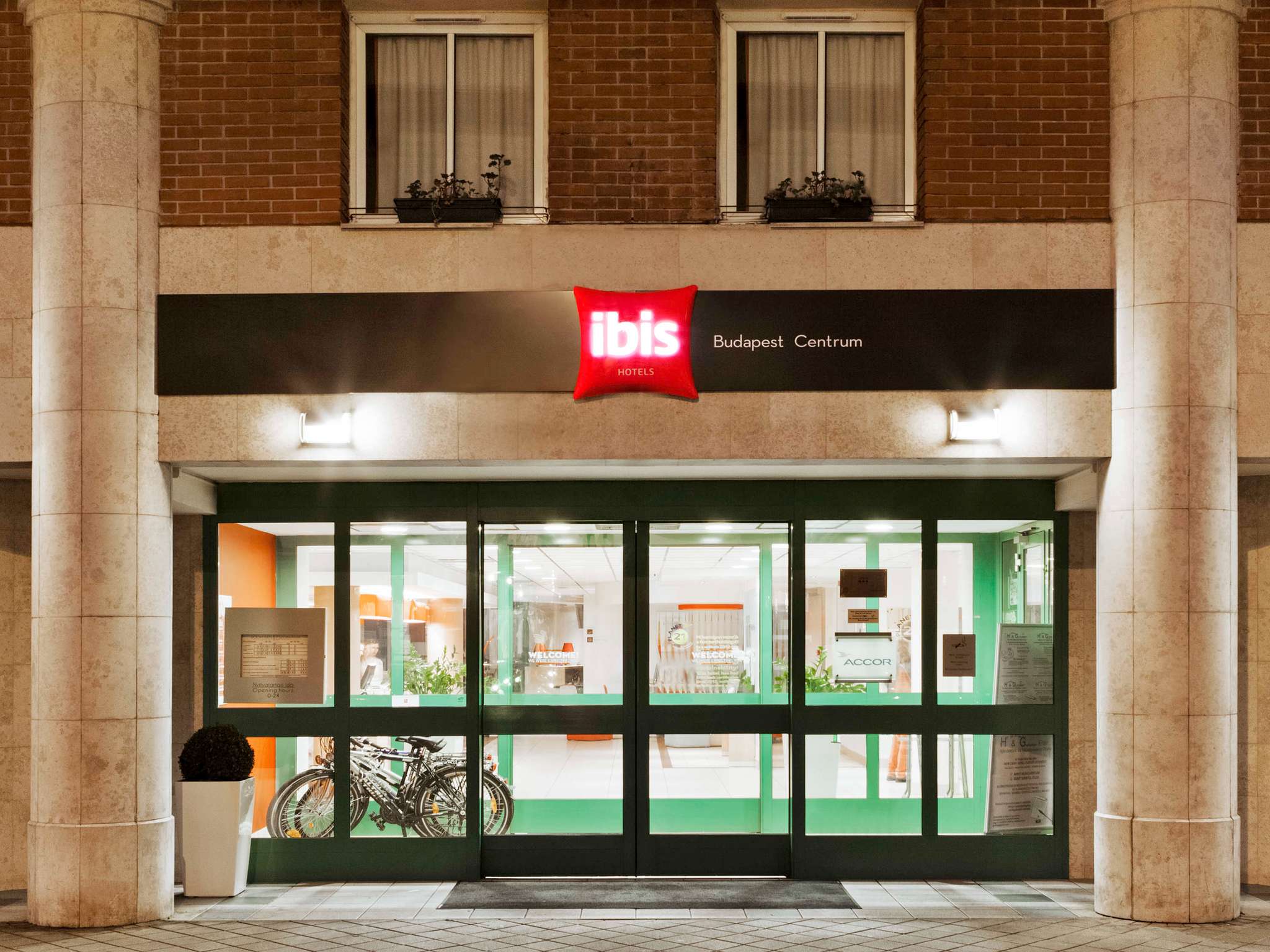
Szállodák
Néhány szálloda a konferencia helyszín közelében

Regisztráció
Az előregisztráció a konferencia hivatalos online rendszerében érhető el. Kérjük, regisztráljon mielőbb, hogy értesíthessük legfrissebb híreinkről. Kérjük, használja az alábbi online regisztrációs felületet.
2026. május 1. | Kedvezményes regisztrációs díj befizetési határideje
Tagok regisztrációs díja
80.000 Ft
(korai alap)
108.000 Ft (korai teljes*)
90.000 Ft (késői alap)
118.000 Ft (késői teljes*)
- Tudományos programokon való részvétel
- Kávészünetek, ebédek
- Konferenciaanyagok
- Elektronikus absztrakt kötet
- Részvételi igazolás (elektronikus)
- Welcome fogadás
- ÁFA
* - A konferencia vacsora (2026. június 11.) a teljes csomag része
Nem tagok regisztrációs díja
90.000 Ft
(korai alap)
118.000 Ft (korai teljes*)
100.000 Ft (késői alap)
128.000 Ft (késői teljes*)
- Tudományos programokon való részvétel
- Kávészünetek, ebédek
- Konferenciaanyagok
- Elektronikus absztrakt kötet
- Részvételi igazolás (elektronikus)
- Welcome fogadás
- ÁFA
* - A konferencia vacsora (2026. június 11.) a teljes csomag része
TDK, PhD, nyugdíjas regisztrációs díj
70.000 Ft
(korai alap)
98.000 Ft (korai teljes*)
80.000 Ft (késői alap)
108.000 Ft (késői teljes*)
- Tudományos programokon való részvétel
- Kávészünetek, ebédek
- Konferenciaanyagok
- Elektronikus absztrakt kötet
- Részvételi igazolás (elektronikus)
- Welcome fogadás
- ÁFA
* - A konferencia vacsora (2026. június 11.) a teljes csomag része
További kiállítói regisztrációs díj
80.000 Ft
(alap)
108.000 Ft (teljes*)
- Kávészünetek, ebédek
- Konferenciaanyagok
- Elektronikus absztrakt kötet
- Részvételi igazolás (elektronikus)
- Welcome fogadás
- ÁFA
A kiállítói jelentkezés csak érvényes kiállítói jelentkezési lappal együtt érvényes.
* - A konferencia vacsora (2026. június 11.) a teljes csomag része
Terms and conditions of participation
Advanced online registration is a condition of participation in the conference. During the online registration you should accept the terms and conditions of participation as well as the terms of cancellation written on this website. The registration fee includes entertainment allowances, such as catering services, reception, dinner etc. In the final invoice the amount of these services will be indicated as intermediary service. See also the general terms and conditions.
Cancellation policy of registration
All the cancellations and changes must be sent to Diamond Congress Ltd. in written form.
Refund of the registration fee will be made as follows:
- 100% refund – in case of cancellation received before May 10, 2026
- No refund – in case of cancellation, received after May 10, 2026
Payment
All payments should be made in HUF. All charges due to bank transfers have to be paid by the sender. We advise you to bring the proof of payment with you when registering for the event in Budapest.
Bank transfer has to be made to
Bankszámlaszám:
Diamond Congress Kft. – MET2026
Bank: Raiffeisen Bank Zrt.
Acc.Number: 12010154-00175156-00100004
RÉSZVÉTELI FELTÉTELEK
A konferencián részt venni előzetes online regisztrációval lehetséges. Az online regisztráció alkalmával a résztvevők elfogadják az ezen a weboldalon meghirdetett jelentkezési és lemondási feltételeket, ezáltal írásos szerződés jön létre. A megrendelt szolgáltatásokról a Diamond Congress Kft. számlát állít ki.A regisztráció alkalmával kérjük, a számlázási adatokat pontosan megadni. A hatályos rendelkezések értelmében a számlának a vevő adószámát kötelező tartalmaznia, kérjük ennek megfelelően kiállítani a számlázási címet. Hivatalos számlát annak az intézetnek a nevére tudjuk kiállítani ahonnan a pénz beérkezett. Magánszemélytől érkező befizetés esetén a magánszemély nevére és címére kell a számlát kiállítani.
Amennyiben megrendelésszámot, PO számot, projektszámot vagy egyéb, a számlára egyedileg jellemző azonosítószámot kell feltüntetni a számlán, a szervezőknek ezt haladéktalanul jelezzék, mert számlakiállítás után a bizonylatokat módosítani nem áll módunkban.
A részvételi díjban szereplő étkezési költség illetve kulturális vagy társasági program (kávészünet, ebéd) minden esetben közvetített szolgáltatásként külön feltüntetésre kerül a számlán. Az SZJA tv 70§ (1) bekezdés alapján ez egyes meghatározott juttatásnak minősül a kifizetőnél, mely alapján ő köteles megfizetni az étkezést terhelő adókat (A számlán feltüntetett étkezési összeg: bruttó 63.500 Ft az alap regisztrációs díjak esetében, illetve bruttó 91.500 Ft a teljes regisztrációs díjak esetében). Ebben az esetben a kifizető szolgáltatást igénybe vevő cég/intézet. Ettől eltérni a törvényi szabályozás alapján nem lehet. Kérjük a pályázati pénzkeretekből részvételi díjat fizetőket, hogy előzetesen tájékozódjanak a pályázati kiírások feltételeiről, mert az étkezési költségek információja a számlán kötelező számlaelem ebben az esetben is.
FIZETÉSI- ÉS LEMONDÁSI FELTÉTELEK
A konferenciára történő regisztráció után Ön legenerálhatja a díjbekérő proforma számláját, melynek fizetése átutalással történik. A részvétel lemondását kizárólag e-mailen, tehát írásos formában tudjuk elfogadni. A részvétel lemondása 2026. május 10-ig lehetséges, 80%-os díjvisszatérítés mellett. 2026. május 10. után a lemondást 100 %-os kötbér terheli. A megrendelt nem-, vagy későn lemondott, és nem igénybe vett szolgáltatások kiszámlázásra kerülnek, mivel a szolgáltatásokat a szervezőknek meg kell rendelniük.
Bankszámlaszám:
Kedvezményezett: Diamond Congress Kft.
Bank neve: Raiffeisen Bank Zrt.
Számlaszám: 12010154-00175156-00100004